
Full Setup Photo
Stand back and take a picture showing the entire water meter and the pipes on both sides.
Once you've confirmed your meter size, getting your NOI Valve is simple. Pricing is based on your water meter size: the larger the meter, the larger the valve. Each valve will be calibrated and customized to ensure maximum savings with no impact to water pressure or system performance.
There are no hidden fees, no subscriptions, and no ongoing costs.
When you're ready to order, just give us a call or send us an email and we'll take it from there. Not sure which size you need? Use the guide below to confirm.
Questions? Reach us at 1-833-758-2583 or alisa@noivalve.com.
| Meter Size | Price |
|---|---|
| 3/4' | $1,100 |
| 1' | $1,995 |
| 1.5' | $4,500 |
| 2' | $5,500 |
| 3' | $7,500 |
| 4' | $17,000 |
| 6' | $27,000 |
| 8' | $45,000 |
To ensure we send you the correct NOI Valve, we need to know the size of your water meter. Please follow the simple instructions below and send us at least 3 or more clear photos of your meter and everything after the meter all the way to the backflow (if any).
Even if you've never looked at a water meter before — don't worry. This guide is written for business owners, facility managers, and property staff with no prior plumbing experience.
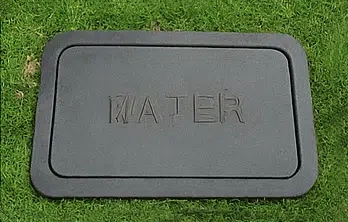
In warm climates, water meters are typically installed outside, close to the street or sidewalk in front of the building or property.
Walk to the front of your site and look down near the curb or driveway. You're looking for a round or rectangular metal or plastic lid flush with the ground.
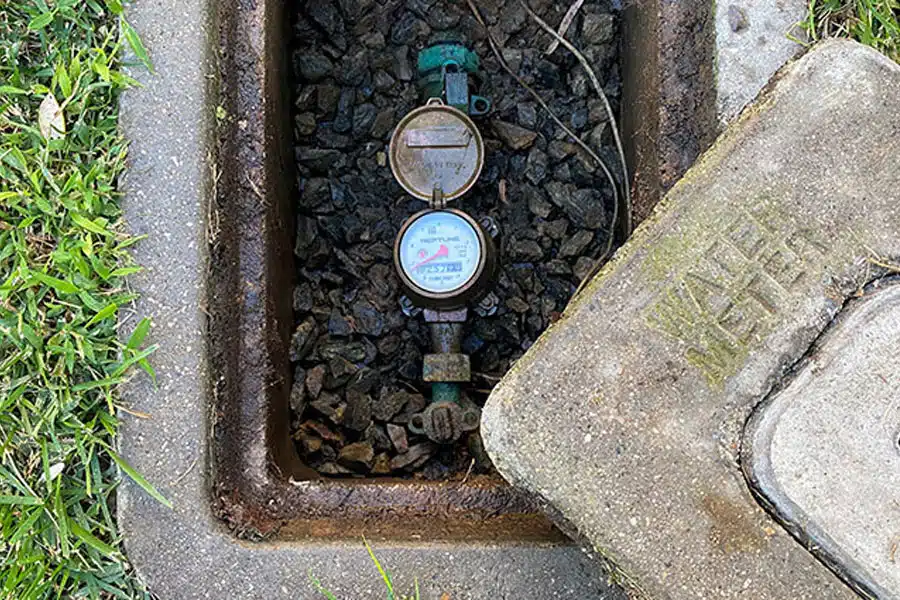
That lid covers your water meter box — an underground container that houses your water meter.
It may be labeled "WATER" or may be blank.
Sometimes grass, mulch, or landscaping covers the lid. You may need to move debris to find it.
Use a flathead screwdriver, pliers, or sturdy tool to lift the lid.
Shine a flashlight if it's dark.
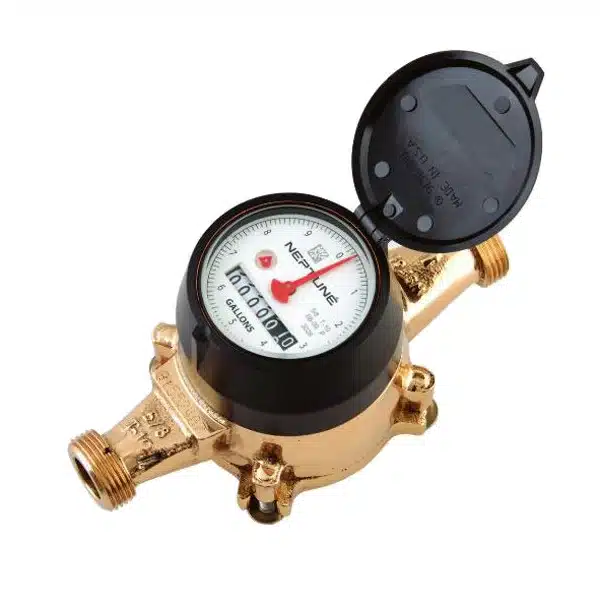
Inside the box, you'll see a round or rectangular device with pipes on both sides. This is the water meter.
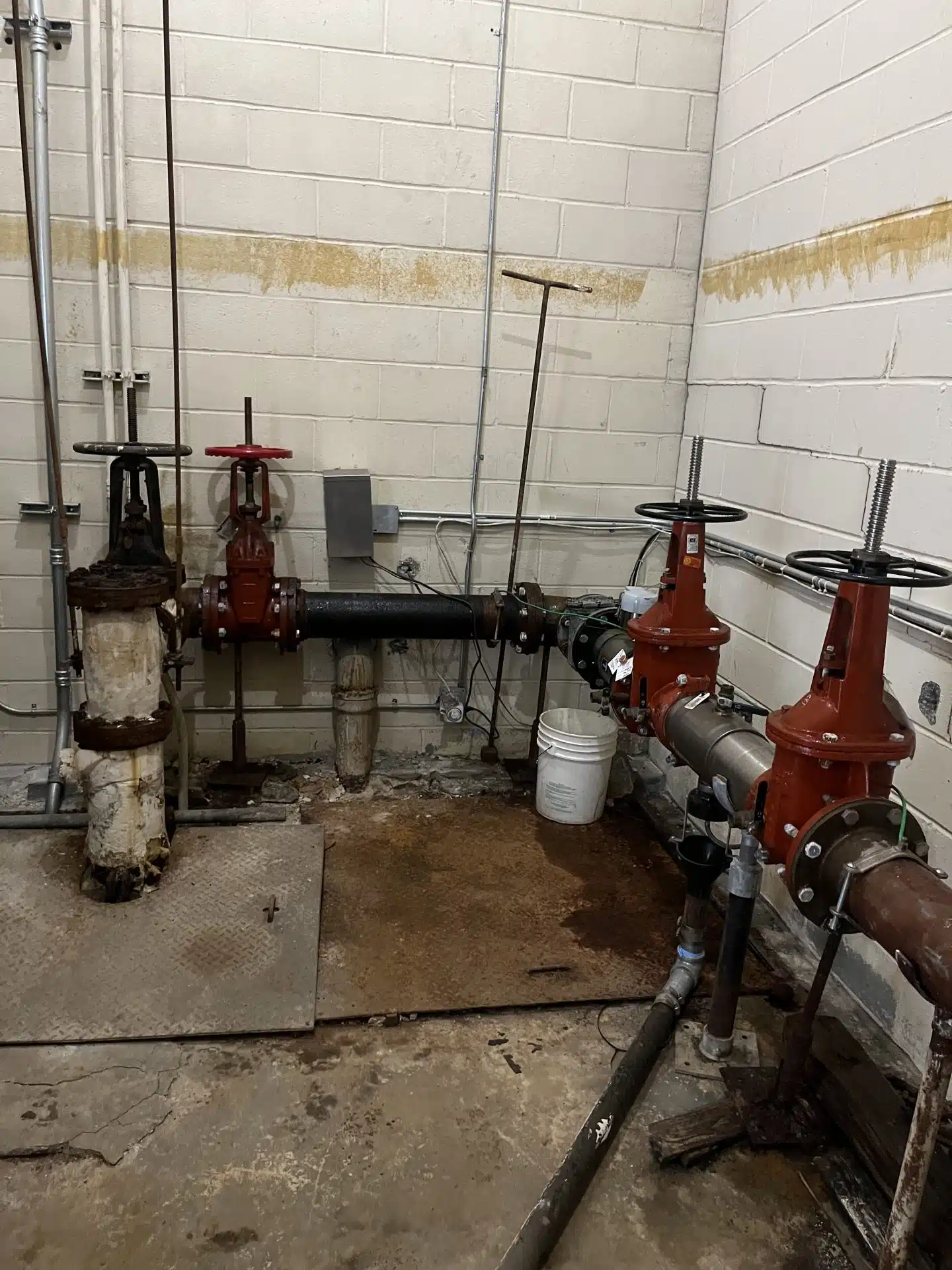
In colder climates, water meters are typically installed indoors to protect them from freezing.
Go to your basement, utility room, maintenance area, or mechanical closet.
Look for where the main water line enters the building — the meter is usually mounted there.
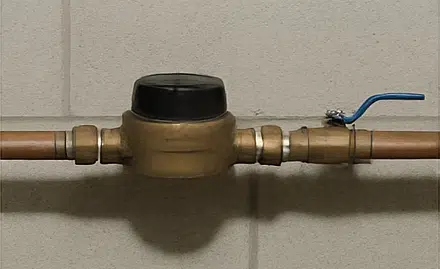
You're looking for a round or rectangular meter bolted onto a pipe, usually low to the floor or wall-mounted. It may be located near a main shut-off valve.
If you're unsure, follow the largest incoming pipe from the wall until you see a device installed in-line — that's most likely your meter.
No tools needed! Just make sure it's well-lit. Use a flashlight if needed and clear away boxes or other obstacles.
Please take at least 3 or more clear photos and email them to alisa@noivalve.com
Stand back and take a picture showing the entire water meter and the pipes on both sides.
Zoom in on the dial or digital screen. We need to see any size or model numbers. Look for markings like:
Or brand names like Neptune, Badger, Sensus, etc.
Take a close-up photo of the pipe coming in or out of the meter, with a measuring tape or ruler next to it so we can estimate the diameter.
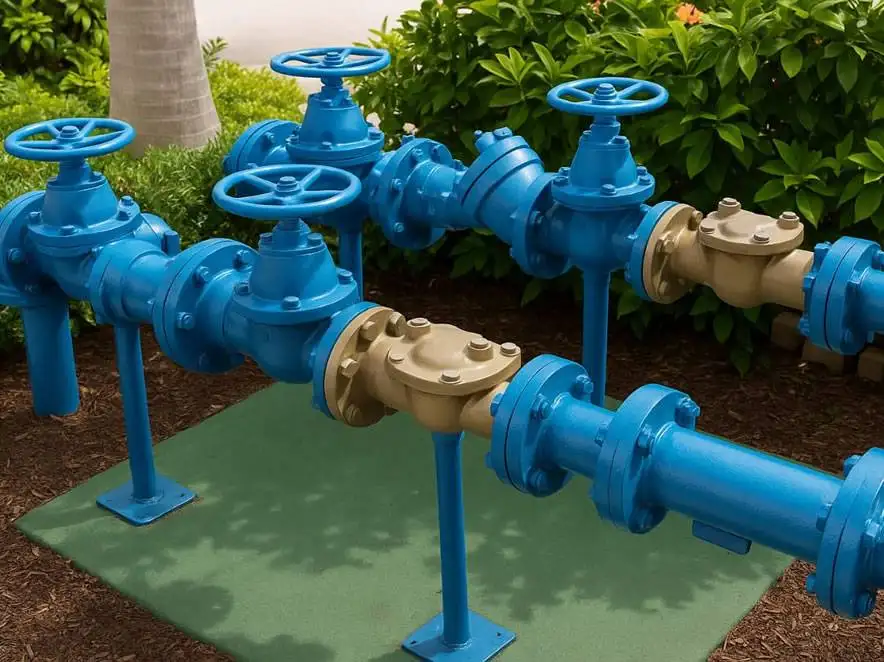
A backflow preventer is a brass device with two valves or handles, typically installed to prevent water contamination. You might find one near irrigation systems or in mechanical rooms.
If you see one, please send a photo.
Email Us
If you're unsure or think you've found the right thing but want confirmation, just take the photos and send them. We'll review and get back to you.
You can also call us at 1-833-758-2583 and we'll guide you through it live.